

Business Insurance Gaps: What Small Businesses Miss
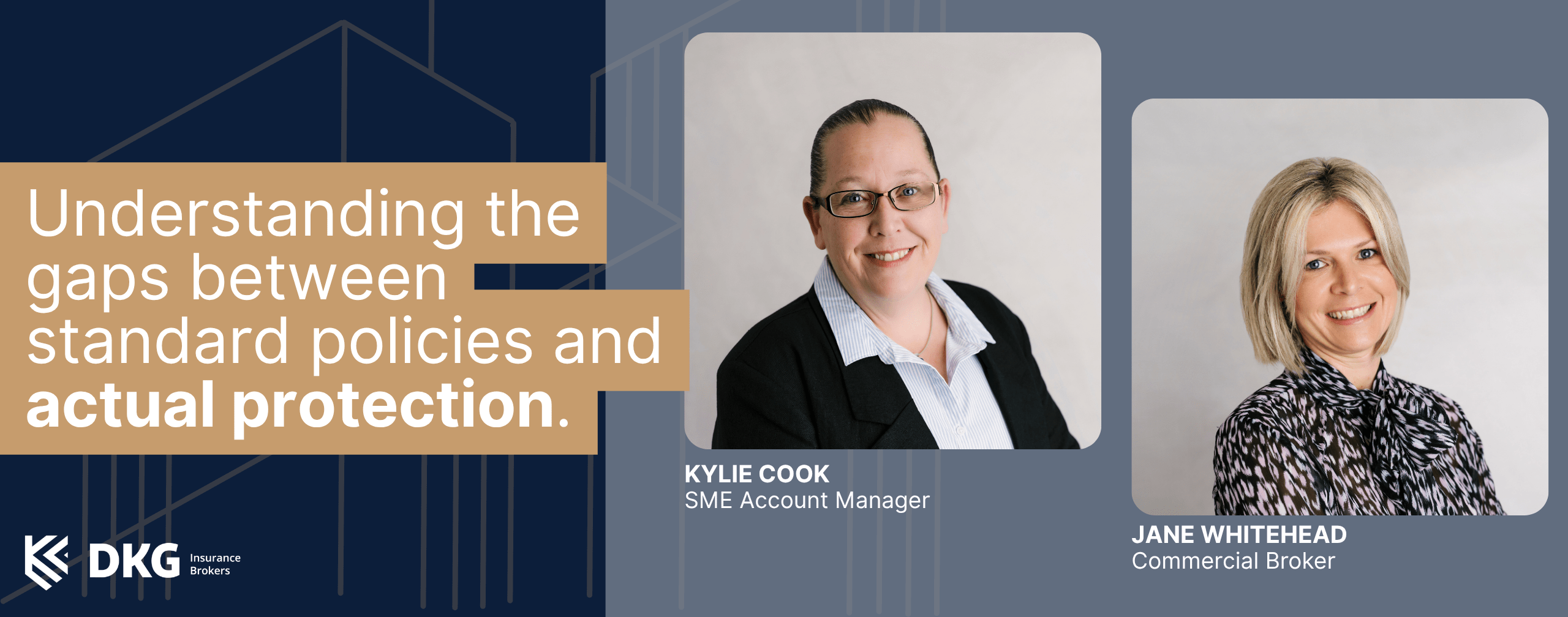
By Kylie Cook and Jane Whitehead
Why a proper insurance structure matters more than you think
Small business insurance shouldn’t be complicated, but it often is. Not because the products are difficult to understand, but because the way businesses operate today doesn’t always match the way their insurance is structured.
For businesses operating from home, using personal vehicles for work or relying on specialised tools and equipment, getting the structure right matters. The difference between adequate protection and a declined claim often comes down to whether your policy reflects how your business works.
Working from home creates different risks
Running a business from home doesn’t mean your home and contents policy covers your business activities. The moment customers visit your premises for work purposes, you need public liability insurance. Standard home policies don’t extend to commercial visitors and business equipment like laptops, printers, tools and stock used for work are typically excluded from home contents cover.
“Business interruption cover is essential,” says Kylie Cook, SME Account Manager. “It’s not just about replacing a computer. It’s about protecting your income while you’re unable to operate.”
Using your car for work changes everything
Many small business owners use their personal vehicle for work without realising their insurance doesn’t cover commercial use. Delivering products, visiting customers or transporting equipment all constitute business use and personal motor policies are underwritten for private use. When you introduce commercial activity, you need commercial motor insurance.
“We regularly see claims declined because the vehicle was being used for business purposes,” Jane Whitehead, Commercial Broker, explains. “Getting the classification right from the start prevents problems later.”
Misclassified claims create additional issues. When claims are filed incorrectly, under third party rather than workers compensation for example, it affects your risk profile and future premiums.
Cyber threats target small businesses
Cybercrime is no longer confined to large corporations. Small businesses are frequently targeted because they often have fewer protections in place. Invoice fraud has become particularly common, with scammers intercepting legitimate invoices and changing bank details to redirect payments.
“Small businesses can lose significant amounts through cyber fraud,” says Jane. “Many don’t realise cyber insurance is available or that they need it.”
Cyber cover can be included in a business pack or arranged separately depending on your risk exposure. Whether you handle customer data, process payments or rely on digital systems to operate, cyber protection has become fundamental.
Cybercrime affects organisations of all sizes. If you use email or any device connected to the internet, you’re exposed. Smaller businesses are often targeted because they have fewer security resources. More than 80% of cyber-attacks start with human error and 76% begin with phishing. Cyber insurance is now relatively inexpensive; for a few hundred dollars, most SMEs can access cover that includes monitoring and early detection tools and training modules at no additional costs
Business packs need proper customisation
Business insurance packages typically offer around ten coverage sections including theft, property damage, public liability and office contents. We work with you to select the sections relevant to your operations, creating a tailored solution.
The effectiveness of a business pack depends on accurate risk assessment. “The policy needs to reflect how your business operates today,” Kylie explains. “Not how it operated when you started or how you think it might operate in future.”
Separating business and personal assets is essential. Business equipment should sit under business cover, not home contents. This approach protects your personal claims history and often provides more appropriate cover at a better price.
Tools need specific protection
For tradespeople, tools represent both capital investment and income generating capacity. Despite this, tool theft remains one of the most underinsured risks in small business. Tools stolen from worksites or vehicles are excluded from standard home contents policies, which is where general property insurance provides specific coverage for tools and equipment, often with Australia wide protection.
“General property cover is designed for exactly this exposure,” Kylie notes. “It often costs less than adding tools to a business pack and provides broader protection.”
Keeping tools under appropriate business cover rather than home insurance prevents complications when claims occur and maintains proper separation between personal and commercial assets.
Some risks require separate policies
Professional Indemnity (PI) insurance sits outside standard business packs. It protects your business if a client suffers or alleges financial loss due to negligent advice, design mistakes or professional services you’ve provided. Many PI claims are based on allegations rather than proven faults but defending them is costly. A PI policy covers legal defence expenses and gives you access to experienced panel solicitors through your insurer.
“The distinction isn’t always clear,” says Kylie. “Tradespeople performing manual work typically rely on public liability. When they provide advice, recommendations or design input, PI becomes necessary.”
Management Liability addresses different exposures entirely. It protects business owners and directors from claims related to employment practices, governance and compliance. As businesses grow, these risks become more significant. These policies complement a business pack rather than replacing it, addressing exposures that standard packages don’t cover.
Regular reviews maintain alignment
Effective insurance advice starts with understanding how a business operates. What premises do you use? How are vehicles used? What equipment is essential? What data do you hold? Detailed conversations about operations reveal risks that generic questionnaires miss and ensure your cover evolves as your business changes.
“Insurance isn’t something you set up once and forget,” Jane emphasises. “Businesses change constantly. Your cover needs to keep pace.”
Regular policy reviews help identify gaps, remove redundant cover and ensure you’re paying for protection that matches your actual risk exposure.
Coming soon
Over the coming months, we’ll explore each of these topics through dedicated articles on working from home cover, commercial vehicle insurance, cyber protection, tools of trade insurance and PI requirements.
Follow DKG Insurance Brokers on LinkedIn to access these insights as they’re published, along with updates on regulatory changes and practical risk management guidance.
Next steps
At DKG Insurance Brokers, we don’t avoid hard-to-place assets. We navigate them. With expertise, persistence and trusted relationships, we turn risk complexity into coverage confidence.
Contact Kylie, Jane and the DKG team to arrange a comprehensive policy review on 1800 252 926 or email us at insurance@dkg.com.au. We’ll assess whether your current cover aligns with how your business operates and identify any structural gaps or opportunities for improvement.