

Turning Hard-to-Place Assets into Covered Success Stories
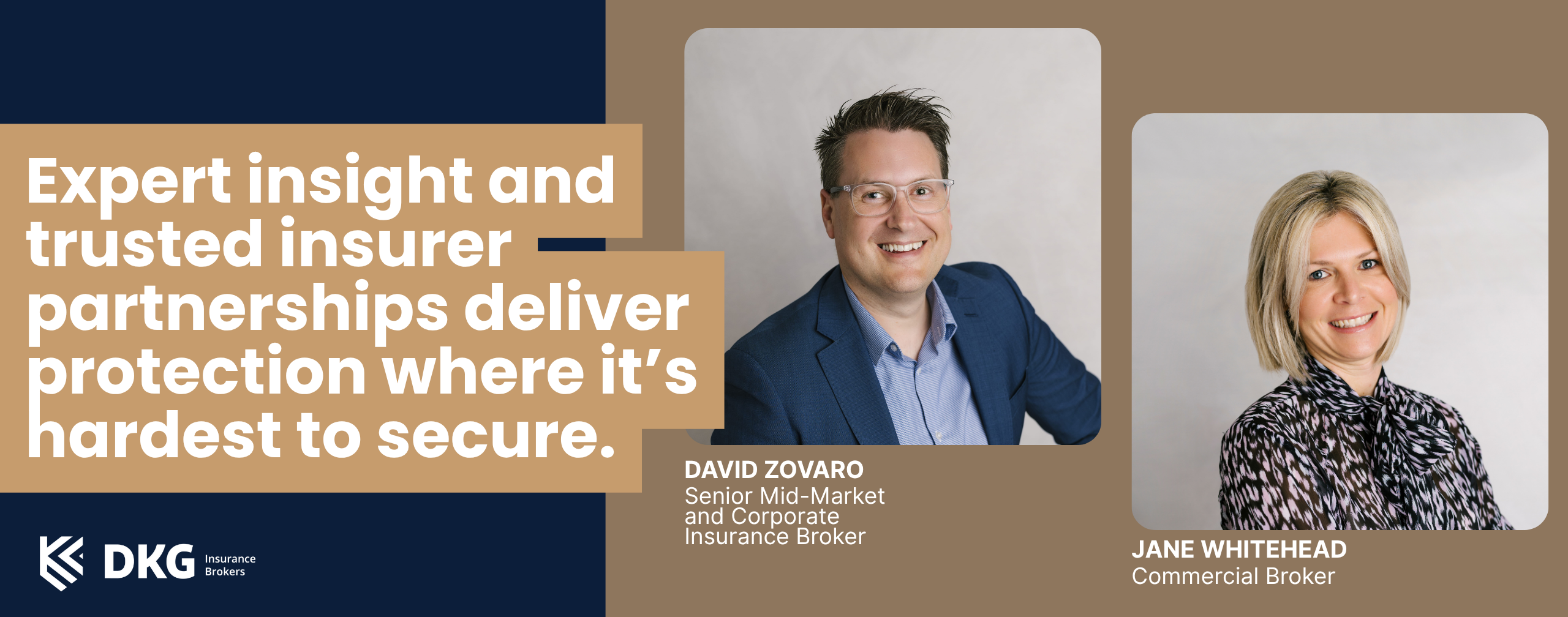
22 October 2025
Where others step back, DKG steps in to protect high-risk assets with confidence.
Expanded Polystyrene (EPS) Warehousing — Fire exposure at its core
Warehouses constructed with EPS panels are among the hardest to insure. The material’s high fire load, combined with rapid flame spread, limits insurer appetite. David Zovaro, Senior Mid-Market and Corporate Broker, explains “Insurers may opt to only participate in a limited share of the cover, reflecting their preference not to write or commit capacity for the full 100%, unless strong fire protection and detection systems are in place.
EPS is common in temperature-controlled or cold storage facilities where insulation is critical. Where panels are unprotected or aged and sprinkler systems are absent, the risk escalates sharply.
At DKG, we work with customers to strengthen their risk profile by implementing practical measures such as enhanced fire detection in hotspot zones through thermographic scanning, strict smoking controls, as well as ensuring fire extinguishers and hose reels are well maintained. If the insurers have confidence around necessary layers of protection in place, they are more likely to participate in the program.
“Insurers respond positively when they see real investment in fire prevention,” says David. “It shows the customer takes the risk as seriously as they do.”
Building and fire authorities are simultaneously increasing oversight on new builds, inspecting electrical systems, water pressure and fire detection infrastructure. Without documented evidence of compliance, securing cover becomes difficult.
Asbestos roofing — Legacy material, modern challenge
Asbestos roofing remains a persistent hurdle in negotiating and securing property insurance. Many older industrial sites still feature asbestos materials and insurers treat these as higher risk due to the potential for contamination, maintenance difficulty and costly remediation following a loss.
The risk intensifies when asbestos structures house higher-risk operations.
Securing appropriate insurance cover for a warehouse with an asbestos roof and activities like timber storage or mechanical work can be particularly tough and will require a significantly higher premium. One recent example involved a warehouse with aged asbestos roofing, timber wholesaling and vehicle dismantling. Having also suffered a previous fire claim, only a limited pool of insurers were willing to engage.
While asbestos itself doesn’t ignite, its presence complicates claim outcomes and repairs. DKG’s role is to educate customers, ensure proper maintenance documentation is available and engage insurers with proven experience in legacy buildings.
“Early understanding of the building’s history and controls can make the difference between a declined risk and a placed one,” adds Jane.
Wreckers and recycling operations — Activities that test insurers’ appetite
Facilities involved in wrecking, recycling or other mechanical operations face another layer of complexity. These environments combine flammable materials, heat-producing work and heavy machinery, increasing the chance of ignition or loss.
Insurers are particularly cautious of mixed-use warehouses where multiple tenants perform different activities under one roof.
“While there may be only one building to insure, the differing tenant operations within it can present inherently different risk profiles,” explains David. “Without a clear understanding of how they interact, insurers hesitate to engage.”
To manage this, DKG conducts detailed operational surveys before marketing the risk. Understanding each tenant’s activities, separation distances and safety systems allows DKG to present a clear, controlled narrative to insurers and one that builds confidence instead of concern.
“It’s about showing we’ve done the work,” says David. “We focus on detail and evidence, not assumptions. That’s how you earn an underwriter’s trust.”
The DKG difference — Expertise not excess
Placing high-risk assets takes more than persistence. It takes precision and strong relationships. Rather than broad market distribution, DKG takes a targeted, intelligence-led approach that pairs in-depth risk understanding with trusted insurer partnerships.
“We know where to go and how to position a complex risk,” says David. “Engaging the right underwriters early shortens the placement time and improves results.”
This approach distinguishes DKG from larger brokers with segmented teams. DKG’s brokers stay closely connected to customers and their risks, ensuring insight, agility and a personal level of advocacy throughout the process.
Experience that drives results
For David and Jane, success is measured by problem-solving and persistence.
“Every placement tells a story,” says David. “Our greatest reward follows from securing cover for risks that face impossible or highly challenging odds.”
Both agree that broking at this level isn’t about paperwork, it’s about creativity, market knowledge and trust.
“If one insurer says no, we look for another way,” Jane says. “That’s what keeps DKG moving forward and our customers protected.”
Next steps
At DKG Insurance Brokers, we don’t avoid hard-to-place assets. We navigate them. With expertise, persistence and trusted relationships, we turn risk complexity into coverage confidence.
David, Jane and the DKG team are ready to help you prepare and mitigate the risk, not just protect. Contact DKG Insurance Brokers today by calling us on 1800 252 926 or email us at insurance@dkg.com.au.